
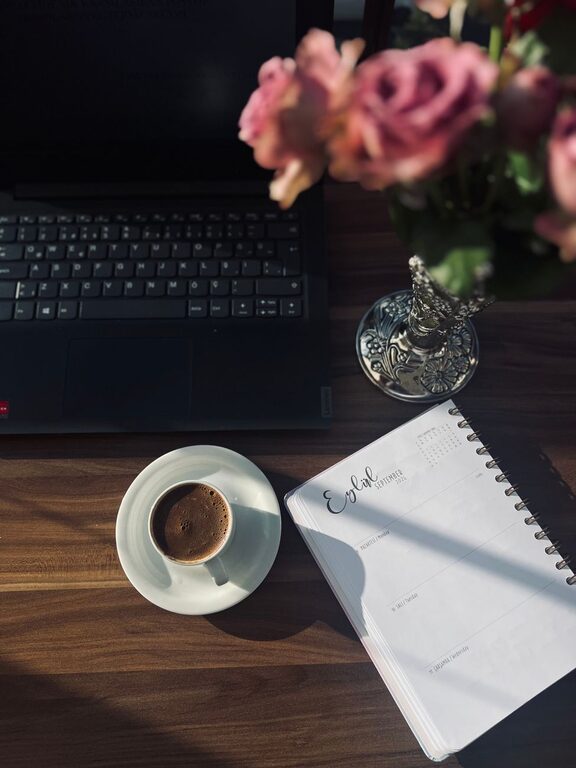
Starting and ending your workday with simple, consistent routines can make a big difference in your productivity, focus, and overall well-being. Whether you work from home or in an office, having clear rituals helps your mind transition smoothly between work and personal time, reducing stress and keeping you motivated. In this post, we’ll explore practical routines you can adopt to start and finish your workday on the right foot.
Why Routines Matter
Routines create structure and predictability. They reduce decision fatigue by setting a clear path for your day and help you establish boundaries between work and personal life. When practiced consistently, routines can improve your concentration, prevent burnout, and help you feel more accomplished.
—
Morning Routines to Kickstart Your Workday
1. Wake Up at a Consistent Time
Try to wake up at the same time every weekday. Consistency helps regulate your body clock, making it easier to get out of bed and feel alert.
2. Hydrate and Nourish Your Body
Drink a glass of water first thing to rehydrate after sleep. Enjoy a healthy breakfast or a light snack to fuel your energy.
3. Do a Brief Mindfulness or Stretching Exercise
Spend 5 to 10 minutes doing deep breathing, meditation, or gentle stretches. This helps clear your mind and reduce morning tension.
4. Review Your Daily Goals
Take a moment to look over your to-do list or calendar. Prioritize your tasks and identify your top 3 priorities for the day.
5. Set Up Your Workspace
Arrange your desk or home office for comfort and focus. Remove distractions, organize materials, and ensure your technology is ready to go.
6. Start with a Small Task
Begin your workday by completing a simple or enjoyable task. This builds momentum and gives you a quick win.
—
Effective Habits to Maintain Throughout the Day
While this post focuses on starting and ending your day, it’s helpful to note that breaks and regular movement throughout the day support your routines and energy.
—
Evening Routines to Wind Down Your Workday
1. Review What You Accomplished
Take a few minutes to reflect on what you completed. Celebrate your wins and note any unfinished tasks to carry over.
2. Plan for Tomorrow
Write down your main goals or priorities for the next day. Having a plan ready helps reduce anxiety and makes starting easier.
3. Tidy Your Workspace
Spend 5 to 10 minutes organizing your desk or digital files. A clean space helps you start fresh the following day.
4. Shut Down Devices or Switch Modes
Turn off or silence work notifications on your phone and computer. This signals to your brain that work time is over.
5. Practice a Relaxing Activity
Engage in something calming like reading, light stretching, or listening to music. This helps your mind transition from work mode to relaxation.
6. Set a Consistent Bedtime
Establish a regular time to go to sleep. Adequate rest impacts your focus and productivity for the next day.
—
Tips for Making Your Routines Stick
– Start Small: Introduce one or two new habits at a time to avoid overwhelm.
– Be Flexible: Adjust your routines as needed based on what works best for you.
– Use Reminders: Set alarms or notes to prompt you during transitions.
– Celebrate Progress: Acknowledge your consistency and improvements to stay motivated.
– Limit Distractions: During your routines, minimize interruptions for better focus.
—
Sample Simple Routine to Try
Morning:
– Wake up at 7:00 AM
– Drink water and eat breakfast
– 5 minutes of stretching or meditation
– Review top 3 work tasks
– Organize workspace and start with an easy task
Evening:
– Reflect on completed tasks
– Plan 3 priorities for tomorrow
– Tidy workspace
– Turn off work devices at 6:00 PM
– Read a book or listen to calming music
– Bedtime at 10:00 PM
—
Final Thoughts
Building simple routines around your workday start and finish offers a foundation for greater productivity and well-being. With a clear beginning and end each day, you can better manage your energy, reduce stress, and maintain a healthy work-life balance. Try incorporating some of these ideas into your daily rhythm and adjust them based on what feels right for you.
Remember: the goal is consistency, not perfection. Small changes over time lead to lasting improvements. Here’s to more focused and enjoyable workdays ahead!